 #01
#01Strategic KPIs: Measuring Digital Transformation Success in Switzerland
The ultimate guide to relevant metrics for evaluating your digital transformations in the Swiss context.

 Français
 English
 Deutsch
54 in-depth articles on digital transformation, agility and IT strategy across Switzerland and the DACH region — from a consultant with 12 years in the field.
✦ FeaturedThe ultimate guide to relevant metrics for evaluating your digital transformations in the Swiss context.
Read articleThe 8 most recent publications
Newest to oldest
#01The ultimate guide to relevant metrics for evaluating your digital transformations in the Swiss context.
 #02
#02An essential checklist to navigate the complex data protection landscape in the DACH region.
 #03
#03Critical field review of a multi-market Acquia ecosystem for a major energy group. Comparison with AEM, Sitecore, WordPress VIP, Contentful.
 #04
#04How new agile platforms are revolutionizing project management in Swiss companies.
 #05
#05Insight into the specific needs of Switzerland, Germany, and Austria for high-impact interventions.
 #06
#06Focus on the strategic value of BAs versus purely technical approaches in the Swiss ecosystem.
 #07
#07The invisible gap between traditional management and tech teams — an analysis of fractures and concrete solutions.
 #08
#08Anticipate the specific challenges of the German market where compliance rhymes with digital complexity.
#09How external consultants turn resistance into opportunity for traditional Swiss businesses.
#10Swiss SMEs struggle to transform. Discover why agile consultants are the antidote to decision-making paralysis.
 #11
#11Key contractual clauses to guarantee the right resources and skills from day 1.
 #12
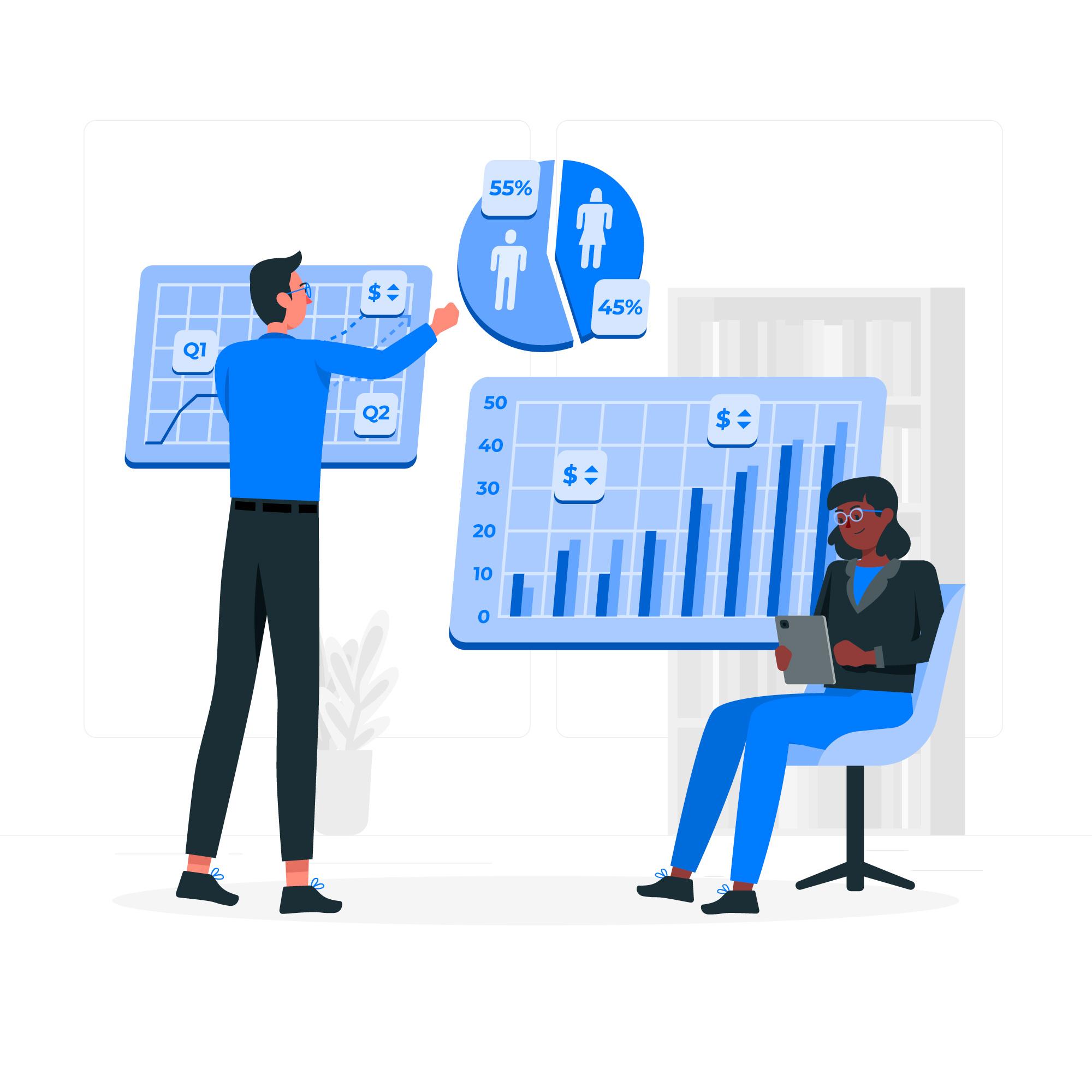
#12Structuring onboarding around effective visual governance with strategic dashboards.
 #13
#13Case study on SFCC-SAP-Klarna integration and the Business Analyst's pivotal role in an e-commerce project.
 #14
#14How a Swiss assistance company overhauled its call and intervention system using Salesforce amid an agile transformation.
 #15
#15How to combine the Eisenhower matrix and pull flow principle for optimal backlog prioritization.
 #16
#16Analysis of stakeholder impact on projects and strategies for better engagement.
 #17
#17How Swiss organisations are reinventing their post-COVID work models for greater efficiency and humanity.
 #18
#18Overview of agile methodologies and their concrete impact across different business sectors.
 #19
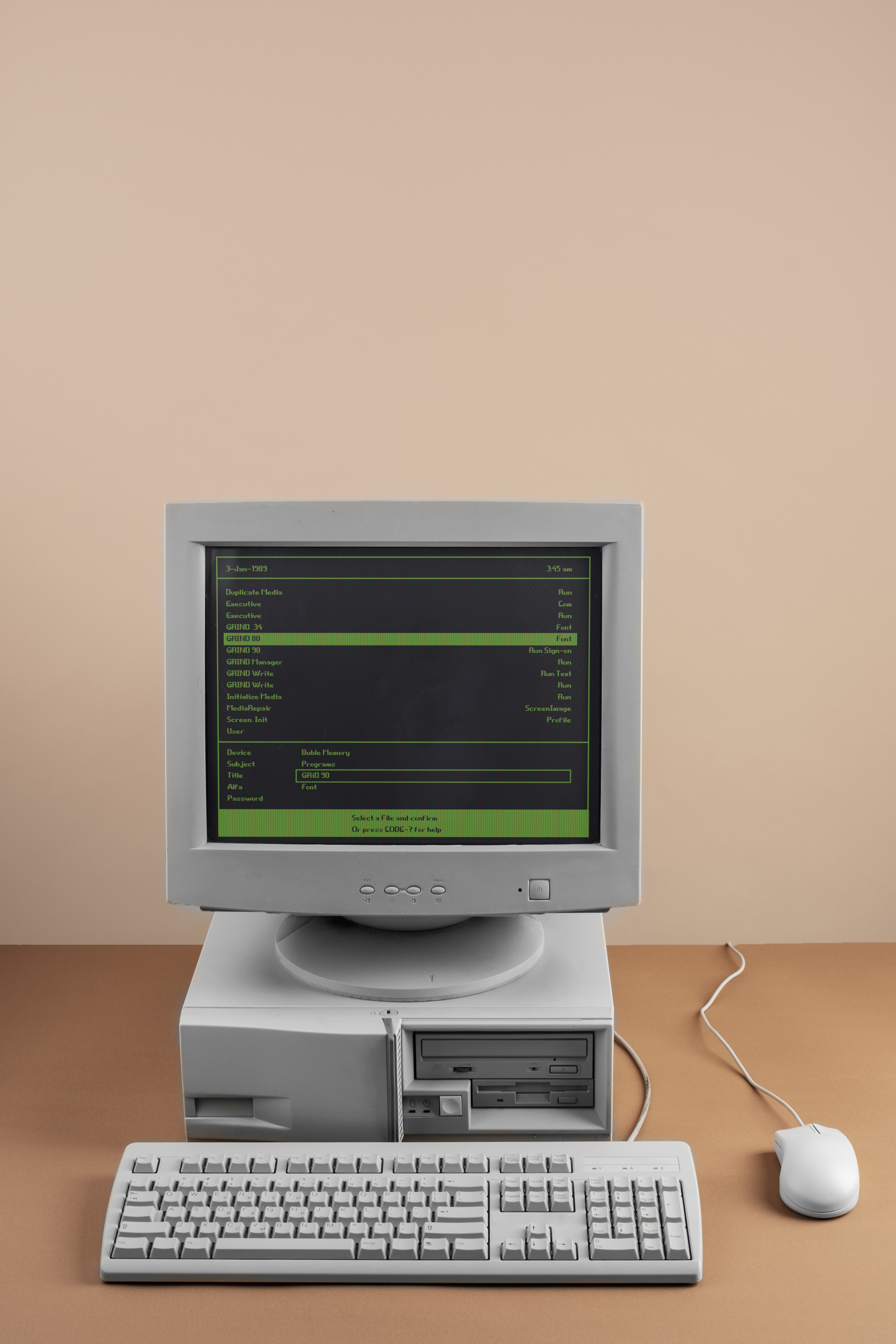
#19Retracing the founding stages of digital transformation from the 1990s to the AI era.
 #20
#20How to leverage a project team's collective intelligence to maximise success rates.
#21Modelling the interactions between three key roles for optimal project governance.
 #22
#22Meta-analysis of 68 agile transformations demonstrating how systemic agility creates lasting strategic value.
 #23
#23In-depth analysis of Signavio integration as the backbone of business process transformation.
 #24
#24How the alliance of AI and agile methodologies opens revolutionary perspectives for businesses.
 #25
#25From passive tool to autonomous agent: how agentic AI concretely redefines IT processes in Swiss enterprises.
 #26
#26Full comparison between classic RPA and AI agents: maintenance costs, exception handling, and transition strategy for CIOs.
 #27
#27CrewAI, LangGraph, AutoGen: what multi-agent systems can orchestrate alone — and what remains irreducibly human.
#286 months of agentic experimentation on a real project: workflows that worked, those that failed, and key lessons learned.
 #29
#29The four fundamental breaks between scripted chatbots and autonomous AI agents — and what it concretely changes for Swiss CIOs.
 #30
#30Reporting, lead qualification, onboarding, IT incidents, intelligence: 5 processes immediately ready for agentification with measured gains.
 #31
#31The 4 AI agent supervision models and the governance framework to implement before any production deployment.
 #32
#325 GDPR risks specific to AI agents and a practical compliance framework for Swiss Product Owners.
#33Model Context Protocol: the USB equivalent for LLMs. Architecture, 2025 ecosystem and concrete use cases for IT teams.
 #34
#34Tools, Resources, Prompts: the 3 MCP primitives explained for BAs. Flow modelling guide and first steps in Python.
 #35
#35Step-by-step guide to connecting Claude Desktop to Jira, Confluence, Slack and PostgreSQL via MCP servers — no dev skills needed.
 #36
#36REST API vs MCP Server: full comparison on discovery, semantics, security and the recommended hybrid architecture.
 #37
#376 months of MCP in production: unexpected wins, 4 critical pitfalls and concrete recommendations for your deployments.
#38Architecture, use cases and comparison with custom development: why Gumloop is a game-changer for non-technical teams.
 #39
#39Honest comparison across 8 criteria: AI capabilities, connectors, GDPR, data sovereignty and verdict by usage profile.
 #40
#406-step architecture, system prompts, results after 3 months: the complete workflow to automate your weekly sprint report.
#41Flowise, Relevance AI, Gumloop: the no-code platforms letting BAs build AI agents without coding.
 #42
#425 professional dimensions of Claude: analysis, spec writing, quality review, meeting prep and training. Recommended configuration.
 #43
#435 essential prompting patterns + ready-to-use prompt library for user stories, backlog grooming and release notes.
 #44
#44Real guarantee comparison by provider (Claude, GPT-4, Gemini, Copilot) and recommended AI policy for Swiss CIOs.
 #45
#456 months of comparative testing on the same PM tasks. Honest results and recommendation by ecosystem (M365, Google Workspace, neutral).
 #46
#4630 days with Claude as co-PO on a real project: delegation levels tested, results by task type and the main lesson.
 #47
#47Velocity explosion, faster technical debt, obsolete estimates: what generative code really changes in your IT teams.
 #48
#48When specs generate code directly, what happens to the BA? The new 'Prompt Architect' role and skills to develop.
 #49
#49The 3 AI dev tools explained for the PO: what each changes in your estimates, agile ceremonies and team expectations.
 #50
#50Hour-by-hour account of a prototype delivered in 31h with Claude + Cursor: what worked, what isn't ready for production.
 #51
#51RAG, supervised fine-tuning, RLHF: the 3 adaptation levels explained with the pragmatic path to get started in Switzerland.
 #52
#52Increasing returns, irreproducibility of historical data: why proprietary AI models will appear on 2030 balance sheets.
#53Tesla, Spotify, Amazon: AI data moats explained. How to build yours in Switzerland in 4 concrete steps.
 #54
#543 LLM-adapted valuation methods + 3 direct monetisation models for Swiss companies that have invested in AI.
Try another term or reset filters.
Click to filter articles.
AI, tech trends
Agile practices
Agile advantages
Real projects
Digital strategies
Retrospectives
Drupal, Acquia
Receive my new articles by email.
Deliverables, templates and tools for key roles in your IT projects
Specialist in product vision, prioritization and business value maximization
Foundational documents to define the product vision and objectives
Definition of the product's strategic vision
Structured template to clearly define product vision, strategic objectives and unique value proposition.
DownloadProduct business model
Stakeholder mapping
Power/interest matrix to identify and prioritize your product's stakeholders.
DownloadDefinition of SMART objectives
Template to define specific, measurable, achievable, relevant and time-bound objectives for your product.
DownloadDocuments to define product scope and features
Strategic release planning
Template to create a product roadmap aligned with strategic objectives and business needs.
DownloadTarget user profiles
Template to create detailed personas representing your typical users with their needs and behaviors.
DownloadPrioritized feature list
Structure to create and maintain a product backlog with prioritization and acceptance criteria.
DownloadTools for development and release management
Sprint preparation
Template to prepare and document sprint planning sessions with the development team.
DownloadFeature specifications
Completion criteria
Documents to finalize and evaluate the product
Documentation of delivered features
Post-release analysis
Product performance measurement
Prioritize features using the MoSCoW method
Adjust parameters to prioritize features
Expert in Agile and traditional project management, ensuring on-time and on-budget delivery
Documents to officially launch the project and define objectives
Project authorization document
Identification of key players
Identification of potential risks
Documents to define scope, timelines and resources
Overall roadmap
Complete document describing project approach, schedule, resources and governance.
DownloadHierarchical work decomposition
Human resource allocation
Tools to track progress and manage risks
Weekly/monthly tracking
Risk and action tracking
Dynamic register to track risks, their probability, impact and mitigation plans.
DownloadChange management
Documents to finalize and capitalize on the project
Project final assessment
Knowledge capitalization
Transfer to operational team
Adjust parameters to see their impact on the project
Visualization of current sprint progress
Specialist in business process analysis and requirements modeling
Documents to understand business context and objectives
Project economic justification
Structured template to present the economic and strategic justification of the project.
DownloadMapping of existing processes
Collection and tracking strategy
Document defining the methodology for collecting, validating and tracking requirements.
DownloadDocuments to define functional and technical needs
Feature specifications
Structured template to document functional requirements with acceptance criteria.
DownloadInteractions between actors and system
Mapping of optimized processes
Tools to detail specifications and prepare tests
Detailed functional specifications
Template to document user stories with scenarios, business rules and acceptance criteria.
DownloadLow-fidelity interface design
Validation scenarios
Structured template to document test cases with preconditions, steps and expected results.
DownloadDocuments to finalize and validate analysis deliverables
Requirements-tests linkage
User test results
Consolidated analysis deliverables
Tracking progress status of different requirements
Have a project? Let's talk.
Online